Pet Shampoo OEM Fragrance Brief: Choose the Scent Experience Before Label Design
Build a pet shampoo OEM fragrance brief with clear scent preferences, coded samples, rinse-stage feedback and packaging decisions for your target channel.
Quick Answer
A useful pet shampoo OEM fragrance brief describes the scent experience at opening, during washing and after the approved rinse and drying routine. Give the manufacturer a direction and an intensity preference, then compare coded samples with the same use method. Settle the product decision before printing a scent name or claim on the pack.
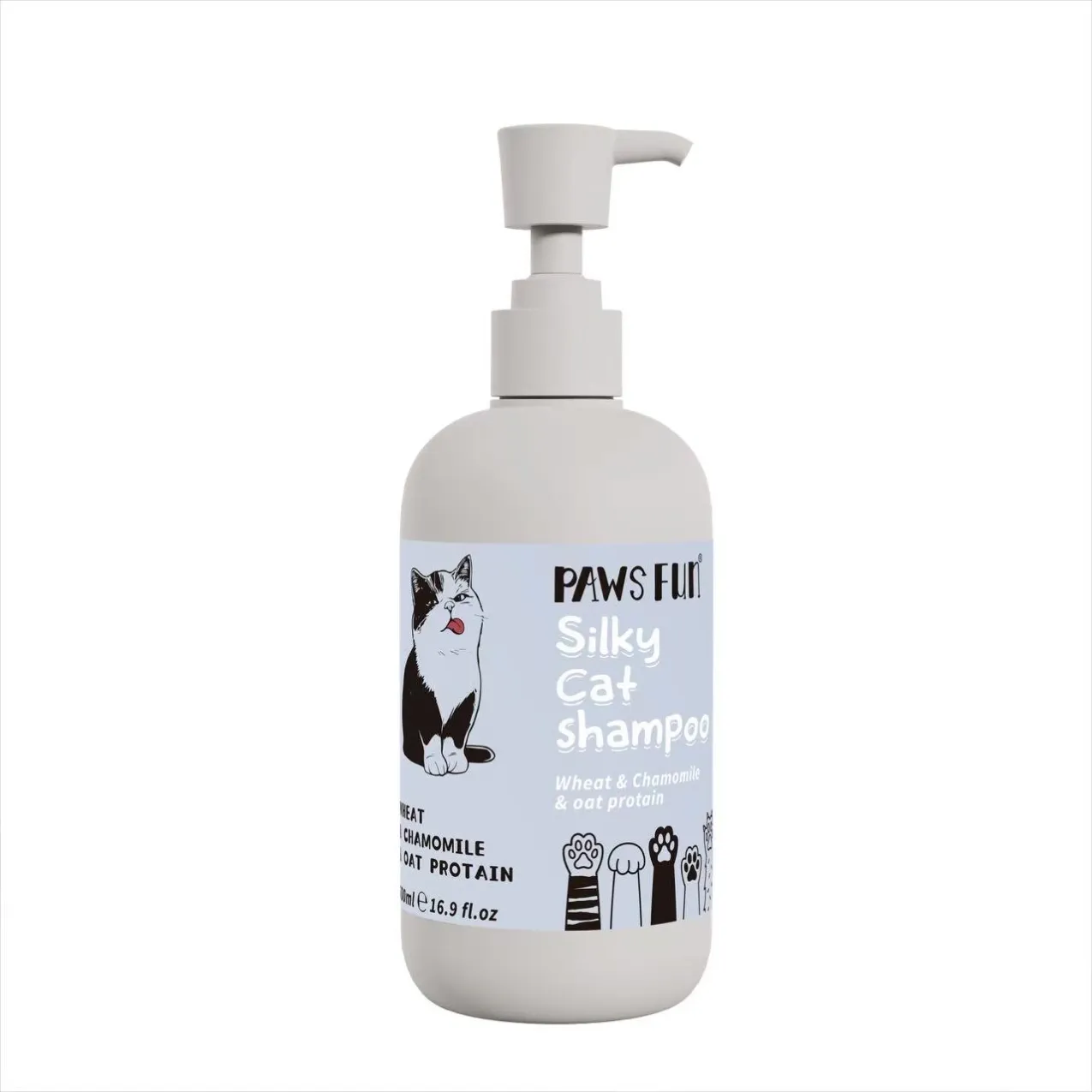
Choosing a fragrance direction for your range? Start Your OEM/ODM Project: send the species, target channel, destination, product reference and scent preferences. The existing Silky Cat Shampoo 500ml offers a specific starting point for a cat-shampoo project.
Describe the experience your buyer wants
“Premium scent” is difficult to sample because different buyers mean different things. A retailer may want a light, recognisable product identity. A salon brand may want a restrained finish that fits its service environment. An online brand may need a description that customers understand without smelling the product first.
Use plain references such as a soft clean direction, a light botanical impression or an unscented direction for feasibility review. Include what you want to avoid, such as a strong lingering perfume impression. A preference is a development input; it does not by itself establish the formula, ingredient choice or suitability of a finished cat product.
Separate three decisions in the brief
| Decision | What to provide | What to request |
|---|---|---|
| Scent direction | A short description or reference supplied for discussion | Feasible sample options for the actual species and formula |
| Perceived intensity | Preference at opening, during use and at the finish | A consistent feedback method across samples |
| Label language | Proposed scent name and any related wording | Review against the accepted composition and project market |
A description such as “without added perfume” also needs a defined formula review. It should not be used as a shortcut to an allergy or medical promise. The technical team should identify the suitable route and the information supporting the final wording. A fragrance reference used by a human-care brand is a creative reference, not permission to transfer its composition to a pet product.
Compare samples at the stages that matter
Keep the base and use conditions identifiable
Record sample codes, formula versions and the proposed packaging. Follow the agreed directions and compare the same use stages. If the base formula and fragrance both change, record both changes so feedback can be interpreted. Ask whether an available reference sample can help establish the starting experience.
Write feedback that can guide the next round
Replace “not nice” with a specific observation: too intense on opening, a different impression during rinsing, or a finish that does not match the brand brief. State when you made the observation and under which conditions. The aim is to help the team decide the next version rather than collect an unlimited set of subjective preferences.
Connect the selected direction to packaging
Once the formula route is accepted, review the filled pack, closure and label with the responsible team. Ask which compatibility, stability and quality information applies to the selected combination. If matching scent directions across several products, keep each product’s formula and suitability review separate.
For example, the Kitten Tearless Shampoo 500ml has its own identity. A visual family across two bottles does not make their formula specifications interchangeable. Quote quantities and artwork versions separately, even when the brand wants a coordinated collection.
Request a decision-ready sample proposal
“We are developing [product] for [species] in [market/channel]. Our reference is your [existing product]. Please assess [scent direction] with a [light/moderate/other described] impression, including how it is perceived after the approved rinse and drying routine. We plan [quantity] units. Please identify sample scope, formula options, packaging review and the information needed before artwork approval.”
Agree which sample will be the accepted reference and who signs off the decision. That record is useful for production and reorders, especially when a range has more than one formula or fragrance direction.
FAQ
Can PAWS FUN discuss custom scent directions?
Yes. Explain the intended species, formula and customer experience so the project can be assessed.
Does a stronger scent mean better cleaning?
No. Assess cleansing and fragrance experience as separate sample questions.
Can the scent name be printed before final approval?
Prepare the design early, then release it against the accepted product and reviewed wording.
Start Your OEM/ODM Project
PAWS FUN is a pet-care cosmetics brand and direct manufacturer with its own factory. We coordinate R&D, sampling, production, quality control and export cooperation for shampoos, conditioners, sprays, foams, creams and salon formats. Discuss formula, fragrance, capacity, packaging and label directions for your project. MOQ, quotation and timing follow the agreed scope.
Start Your OEM/ODM Project: email pawsfuntd@gmail.com or use WhatsApp +86 185 8884 5736.
Become Our Distributor for the existing branded range. Explore Products, Home Use, Salon Use, OEM/ODM, About Us and FAQ. Tools and machines are promotional or qualifying cosmetics-project accessories; independent tool OEM projects are not accepted.