Sep 2, 2026
Private Label Flea & Tick Shampoo: Claims and Compliance Before OEM Production
Learn why flea and tick shampoo claims require early regulatory review, what buyers should ask an OEM, and how to avoid costly label mistakes.
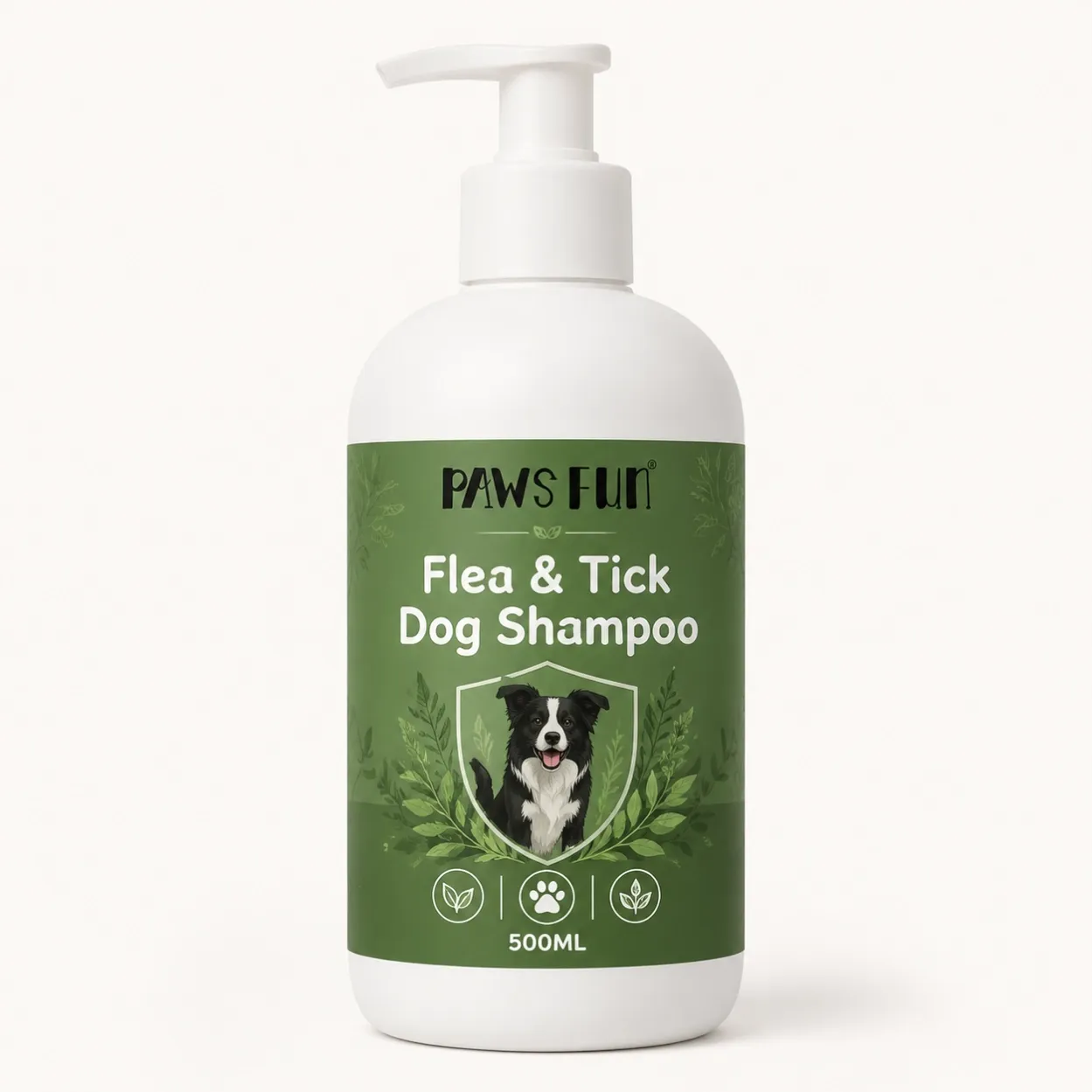
Private Label Flea & Tick Shampoo: Claims and Compliance Before OEM Production
Quick answer
A flea and tick shampoo project cannot be treated like an ordinary cosmetic shampoo. Claims such as killing, preventing, repelling or controlling parasites may place the product under pesticide or animal-drug rules depending on the formula, route, market and wording. Buyers should determine the regulatory pathway before finalizing formula, artwork or launch timing.
Why the front-label claim changes the project
In the United States, FDA explains that some flea and tick products are regulated by FDA while others are regulated by EPA. Topically applied products, including many shampoos and sprays, may fall under EPA oversight, with important exceptions. The responsible agency and permitted marketing depend on the actual product—not on what a competitor writes online.
A brand should never copy “kills fleas,” “prevents ticks” or similar claims from another label without confirming its own legal pathway and evidence.
Questions to answer before requesting samples
- Which country will receive the product?
- Is the concept an ordinary cleansing shampoo or a parasite-control product?
- What active ingredients are proposed?
- Which claims are essential to the business case?
- Does the product require registration or an approved source?
- Which species and life stages are permitted?
- What warnings and use frequency must appear?
- Who owns the supporting efficacy and safety data?
Species and life stage cannot be assumed
FDA advises owners to match flea and tick products to the correct species, life stage and weight class and to follow the label exactly. A dog product should not be used on cats unless the label explicitly permits it. These principles should influence the OEM brief, not be added as an afterthought.
Packaging and production implications
Regulated claims may affect active-material sourcing, batch records, testing, facility requirements, label review and import documentation. Packaging also needs enough space for directions, warnings, registration information where applicable and adverse-event guidance.
Before bulk production, conduct compatibility and leakage testing, confirm output per use, and review the final artwork against the destination-market requirements.
A safer commercial starting point
If the buyer is not ready for a regulated parasite-control pathway, discuss an ordinary cleansing or coat-care concept without unapproved flea or tick claims. The commercial positioning must match the formula and evidence. Do not imply protection through imagery, product naming or indirect wording if the claim is not authorized.
PAWS FUN can discuss product direction and OEM/ODM feasibility, but the buyer and responsible market professionals must confirm destination-country compliance before launch.
View PAWS FUN grooming products: https://pawsfun.net/productsBecome Our Distributor: https://pawsfun.net/distributorsStart an OEM/ODM Project: https://pawsfun.net/oem-odm
FAQ
Is every flea and tick shampoo regulated the same way worldwide?
No. Classification, permitted actives, claims and registration requirements vary by market.
Can a private-label buyer change the claims after sampling?
Claims should be reviewed before formula and artwork are finalized. A major claim change can alter the regulatory and testing plan.
Is “natural flea control” automatically exempt?
No. “Natural” does not remove the need to determine whether the claim or active ingredients trigger regulation.
Safety note: Consumers should use flea and tick products exactly as labeled and contact a veterinarian if an adverse reaction is suspected.