Sep 1, 2026
Private Label Pet Waterless Shampoo: OEM/ODM Development Checklist
Plan a private-label pet waterless shampoo with the right format, residue, fragrance, packaging, claims, testing and market fit.
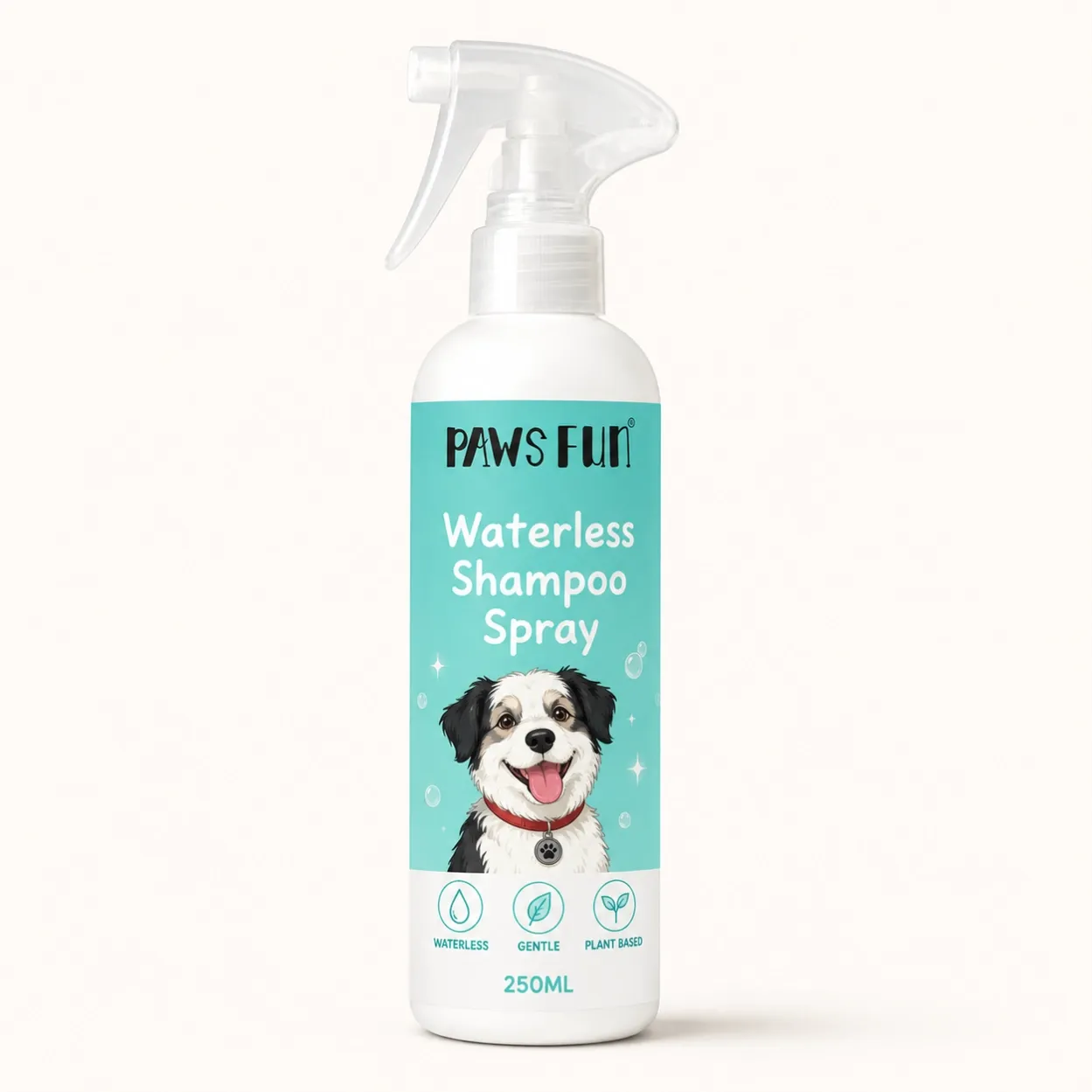
Private Label Pet Waterless Shampoo: OEM/ODM Development Checklist
Quick answer
A private-label waterless pet shampoo project should begin with use case and format, not bottle color. Decide whether the product is a foam, spray or mousse; which species and life stages it serves; how much residue is acceptable; whether fragrance is suitable; and what claims are legally supportable in the target market.
- Define the use situation
Waterless products are commonly used for quick refresh, travel, senior pets, spot cleaning and between-bath grooming. They should not be positioned as a substitute for veterinary care or as the right answer for every dirty or itchy pet. Heavy contamination, chemical exposure, painful skin or widespread lesions require different action.
- Choose the format
Foam offers controlled placement and may reduce airborne mist. A fine spray covers broader coat areas but needs careful spray-pattern testing. Mousse can support a premium salon story. The best choice depends on coat type, application behavior, packaging availability and target price.
- Set sensory targets
Buyers should define fragrance intensity, after-feel, drying time, residue, coat shine and combability. Pet owners often judge a waterless product within minutes. If the coat feels sticky or looks dull, repeat purchase suffers even when the ingredient story is attractive.
- Build species-appropriate directions
A label should identify permitted species, minimum life stage where relevant, application amount, caution areas, brushing steps, storage and what to do if irritation occurs. A dog-use concept should never be casually extended to cats without formula and label review.
- Control claims
Words such as refresh, cleanse, deodorize and support easier grooming may fit a grooming concept when substantiated and permitted. Claims to treat infection, cure allergies, kill parasites or heal wounds can trigger a different regulatory pathway and need appropriate evidence and authorization.
- Plan packaging and testing
Evaluate pump or sprayer compatibility, leakage, output per stroke, formula stability, microbiological quality and transport performance. Artwork should leave enough space for directions and warnings, not only front-label marketing.
- Prepare the commercial brief
A useful OEM/ODM brief includes destination country, channel, target capacity, expected order quantity, target price, formula preference, fragrance direction, packaging reference, required documents and desired launch date. This helps the manufacturer separate stock private label from deeper custom development.
PAWS FUN cooperation
PAWS FUN supports home-use and salon-use private-label projects with formula, capacity and packaging discussions subject to feasibility and MOQ.
Home Use: https://pawsfun.net/home-useSalon Use: https://pawsfun.net/salon-useOEM/ODM inquiry: https://pawsfun.net/oem-odmBecome our distributor: https://pawsfun.net/distributors
Frequently asked questions
Can I start with an existing formula? Yes, subject to current availability, packaging and destination-market review.
Can I request a fragrance-free concept? It can be evaluated during the brief stage.
What documents are available? The file set depends on formula, market and order stage. Confirmed buyers can discuss specifications and available supporting documentation.
Safety note
This article is commercial and grooming education, not veterinary diagnosis. Products should be used only as labeled.