Sep 1, 2026
Sensitive-Skin Pet Shampoo Range: Five Products to Maintain and Cross-Sell
Build a clearer pet skin and coat routine with five complementary products for bathing, conditioning, brushing, refresh and targeted comfort care.
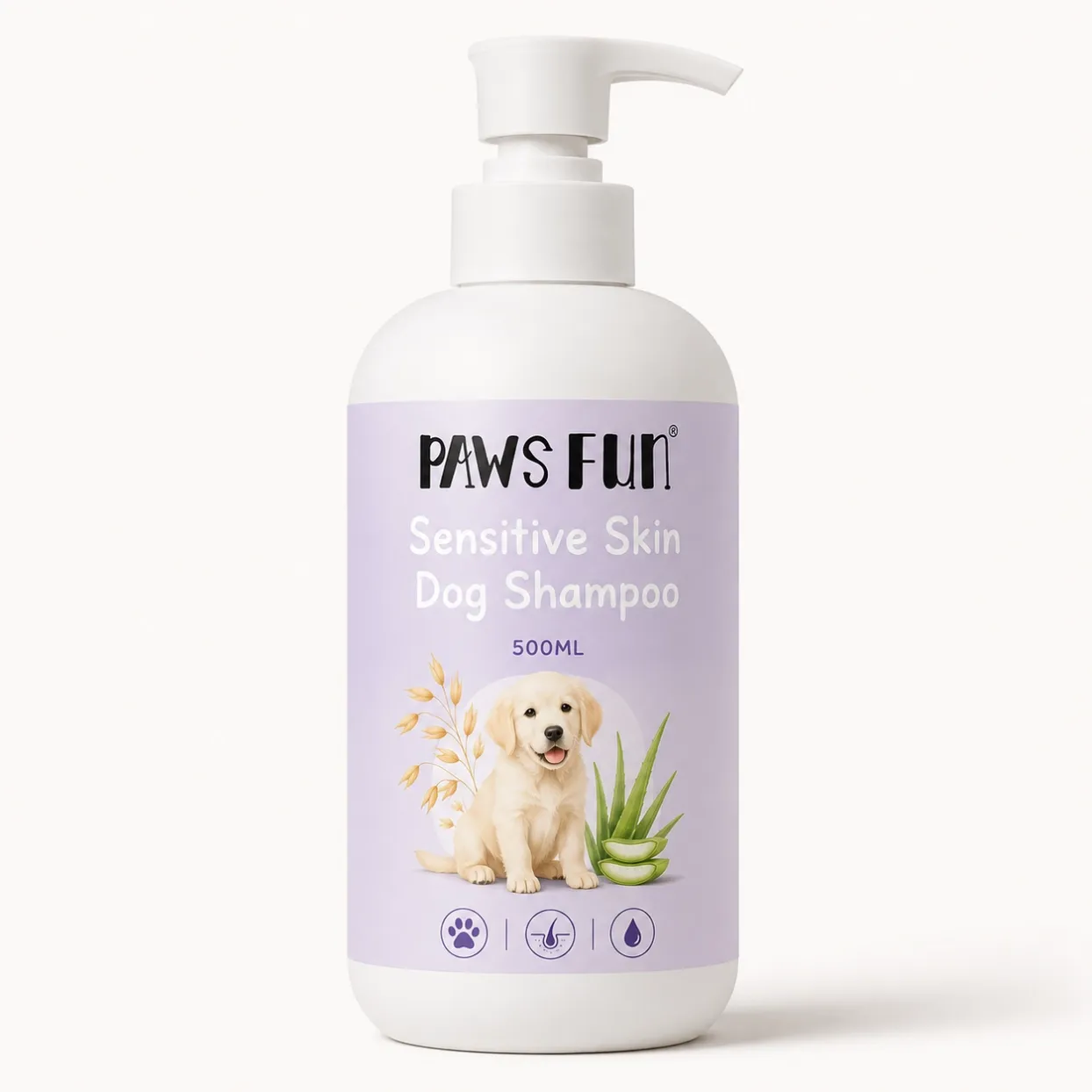
Sensitive-Skin Pet Shampoo Range: Five Products to Maintain and Cross-Sell
Quick answer
A useful sensitive-skin grooming range should separate five jobs: gentle cleansing, conditioning, between-bath refresh, easier brushing and targeted external comfort care. One product should not claim to do everything. Clear roles make the routine easier for owners, groomers and distributors to understand.
Product 1: Gentle dog shampoo
The base of the range is a shampoo intended for routine cleansing with clear dilution and rinse directions. Sensitive-skin positioning should focus on mild cleansing and user experience rather than unsupported medical claims. Fragrance level, surfactant choice, rinse feel and label instructions all affect repeat purchase.
Product 2: Pet hair conditioner
Conditioner supports slip, combability and coat feel after cleansing. It is especially relevant for long coats, dry ends and professional grooming. Distributors should test wet combing, dry feel and whether the formula leaves fine coats heavy.
Product 3: Waterless shampoo
A waterless format supports travel, quick cleanups and between-bath refresh. It is not automatically suitable for heavy soil, painful skin or chemical contamination. Species directions, residue and drying time should be easy to understand.
Product 4: Leave-in detangling spray
A light spray can make routine brushing more comfortable by reducing drag. It fits salon finishing and home maintenance. Tight mats should be handled by a trained groomer or veterinarian rather than pulled or cut close to the skin at home.
Product 5: Pet skin soothing spray
A targeted external spray creates a responsible skin-comfort step. The label and sales training must explain that itching has many possible causes. A grooming product cannot diagnose allergy, infection, parasites or systemic disease.
How to cross-sell without confusing buyers
Place the products in routine order: cleanse, condition, refresh, detangle and targeted comfort. Use icons or short decision questions instead of long front-label claims. Retail staff should know which products are rinse-off, leave-on, dog-only, cat-permitted or professional concentrate.
Maintenance priorities for a new brand website
Each product page should have one clear H1, a concise meta description, species and life-stage guidance, directions, warnings, pack size, channel fit, internal links, distributor CTA and OEM/ODM CTA. Real product photography should remain the primary visual. Lifestyle imagery can support the page but should never invent a product pack.
PAWS FUN links
Browse products: https://pawsfun.net/productsHome-use private label: https://pawsfun.net/home-useSalon-use private label: https://pawsfun.net/salon-useBecome our distributor: https://pawsfun.net/distributorsSubmit a suitable non-emergency pet case: https://pawsfun.net/online-vet-consultation
Frequently asked questions
Should all five products use the same fragrance? Not necessarily. A coherent sensory family can help branding, but sensitive-positioned products may benefit from lower-fragrance or fragrance-free options where feasible.
Can one formula be labeled for dogs and cats? Only after ingredient, use pattern and labeling suitability are reviewed for both species.
What should distributors sample first? Test the core shampoo, conditioner and detangling system together, then add waterless and targeted-care products according to channel demand.
Safety note
Grooming products cannot replace diagnosis or treatment. Seek an in-person veterinarian for persistent itching, pain, wounds, discharge, swelling, hair loss, behavior change or worsening signs.