Sep 1, 2026
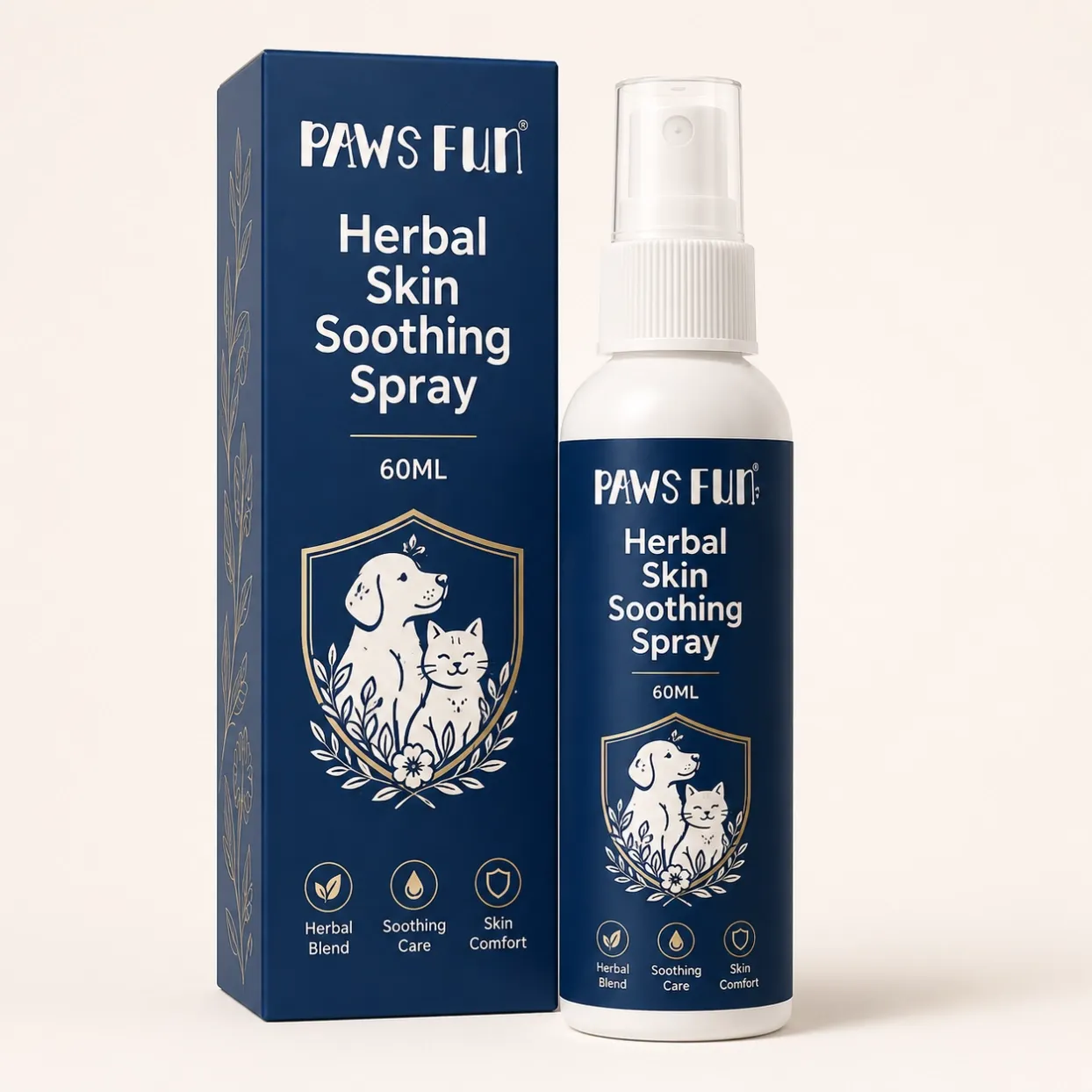
Traditional Herbal Pet Skin Spray: How PAWS FUN Builds a Responsible Care Concept
See how PAWS FUN approaches herbal-inspired pet skin spray development, positioning, safety boundaries and supporting documentation.
Traditional Herbal Pet Skin Spray: How PAWS FUN Builds a Responsible Care Concept
Quick answer
A credible herbal-inspired pet skin spray needs more than a botanical story. It requires a defined use case, suitable external-use format, controlled production, clear label directions, responsible claims and a plan for destination-market compliance.
The PAWS FUN product concept
PAWS FUN Traditional Herbal Pet Skin Soothing Spray 60ml was developed with professional Traditional Chinese Veterinary Medicine experience and is positioned for daily external skin-comfort care. The product story focuses on compassionate observation and practical care—not exaggerated promises.
Why positioning matters
Pet owners often search for quick answers to itching and redness. However, these signs can have many causes. A grooming or skin-comfort spray should never imply that every itchy pet has the same problem. Clear positioning protects the pet, the distributor and the brand.
A strong product brief should define:
- dog, cat or multi-species use;
- intended life stage;
- target application area;
- leave-on or rinse-off format;
- daily-care purpose;
- warnings and prohibited areas;
- expected packaging and spray pattern;
- destination market and language;
- permitted cosmetic, grooming or therapeutic claims.
From traditional concept to commercial product
Traditional ingredients can provide a distinctive brand narrative, but buyers should still ask practical questions. Is the formula stable? Is the preservative system suitable? Does the packaging protect the formula? Is the spray output consistent? Can the label explain use in simple language? Which claims require evidence or registration in the target country?
For flea and tick products, regulation can be especially important. The U.S. FDA explains that some flea and tick products are regulated by FDA while others are regulated by EPA. A topical spray must not casually adopt antiparasitic claims without determining the correct regulatory pathway.
FDA overview:
https://www.fda.gov/animal-veterinary/animal-health-literacy/fdas-role-protecting-animal-health
Safety-first label structure
A responsible label should identify the species, use direction, frequency, caution areas, storage instructions and what to do if irritation occurs. It should also discourage use on deep wounds or emergencies and direct owners to veterinary care for persistent or worsening signs.
What documents can buyers request?
The appropriate file set depends on formula, market and order stage. It may include ingredient information, product specification, batch documentation, microbiological information, packaging specification, stability support and available manufacturing certifications. PAWS FUN can discuss supporting documents with confirmed buyers. Sensitive professional credentials are available to confirmed clients or qualified partners upon request rather than displayed publicly.
What makes this concept useful for distributors?
A 60ml targeted spray is easy to explain, display and add to a grooming routine. It creates a problem-solution conversation without requiring a full bath. For distributors, the best positioning combines:
- a clear daily-use situation;
- concise education for staff;
- conservative, compliant claims;
- cross-selling with gentle shampoo and grooming tools;
- access to professional guidance for suitable non-emergency cases.
Frequently asked questions
Is “traditional herbal” enough to prove effectiveness?
No. A traditional concept is not a substitute for formula assessment, safety evaluation or claim support.
Can a buyer change the formula or packaging?
Private-label projects may discuss formula direction, capacity, spray bottle, artwork and label language subject to feasibility and MOQ.
Can the product claim to treat disease?
Disease-treatment claims can change regulatory classification. Claims must match evidence and destination-market rules.
Who developed the concept?
The concept was supported by a Traditional Chinese Veterinary Medicine practitioner with 12 years of clinical experience. Personal identity, portrait and credentials are shared only when appropriate.
Final takeaway
The strongest herbal pet-care product is not the one with the loudest claim. It is the one with a clear role, transparent boundaries, sensible documentation and a repeatable customer-care story.