Pet Care OEM Sample Change Logs: Control Revisions Before Final Approval
Control pet-care OEM sample revisions with a clear change log. Record formula, fragrance, packaging and artwork decisions before final approval.
Quick Answer
Every OEM sample round should have a unique code, date, requested changes and evaluation result. A buyer should never approve “the latest sample” without recording which formula, fragrance, color and packaging components were included. The final approval record should identify one complete product system and state whether any substitutions are permitted.
Why Informal Feedback Creates Production Risk
Sampling often starts simply: one base formula, one scent and one bottle. It becomes difficult when feedback is scattered across email, messaging apps, photographs and calls. A request such as “use the texture from sample B, the scent from sample C and the color from the first bottle” can be misunderstood unless the new combination receives its own code and approval.
The sample change log is not unnecessary paperwork. It helps the buyer and factory answer four basic questions:
- What exactly was supplied?
- What did the buyer observe?
- What change was requested?
- Which complete version was finally approved?
Give Every Round a Unique Identity
The manufacturer and buyer should agree a simple coding structure. The code does not need to reveal confidential formula details; it only needs to distinguish versions reliably.
| Field | Example of useful information |
|---|---|
| Sample code | Project-SKU-Round-Version |
| Date sent | Dispatch or handover date |
| Formula reference | Controlled internal reference |
| Fragrance | Name or code and approved level reference |
| Color | Approved direction or “no added color” |
| Package | Bottle, closure, pump and liner references |
| Buyer result | Approve, revise, reject or hold |
| Requested change | One clear instruction per issue |
Do not rename the same physical sample after feedback. Create a new coded version when the formula or package changes.
Separate Observations From Solutions
Buyers provide better feedback when they record what happened before prescribing a technical solution.
Weak feedback: “Make it more premium.”
Actionable observation: “Sample S03 leaves a tacky feel after the agreed dry-down method; the target is a lighter finish similar to the approved reference.”
Weak feedback: “Fix the pump.”
Actionable observation: “The selected pump produces an uneven stream after the agreed non-use period; please review restart performance with this formula.”
The formulation and packaging teams can then propose a change while preserving other approved characteristics.
Avoid Accidental Multi-Variable Changes
If fragrance, viscosity, color and pump are changed at the same time, the buyer may not know which change caused the different experience. Where practical, control the variables that matter most and document combined changes clearly.
For a shampoo or conditioner, compare:
- Appearance and odor before use.
- Dispensing from the intended pack.
- Spread, foam or slip under the agreed method.
- Rinsing and wet-coat handling.
- Dry coat feel, combability and residual fragrance.
- Package condition after the agreed storage and handling review.
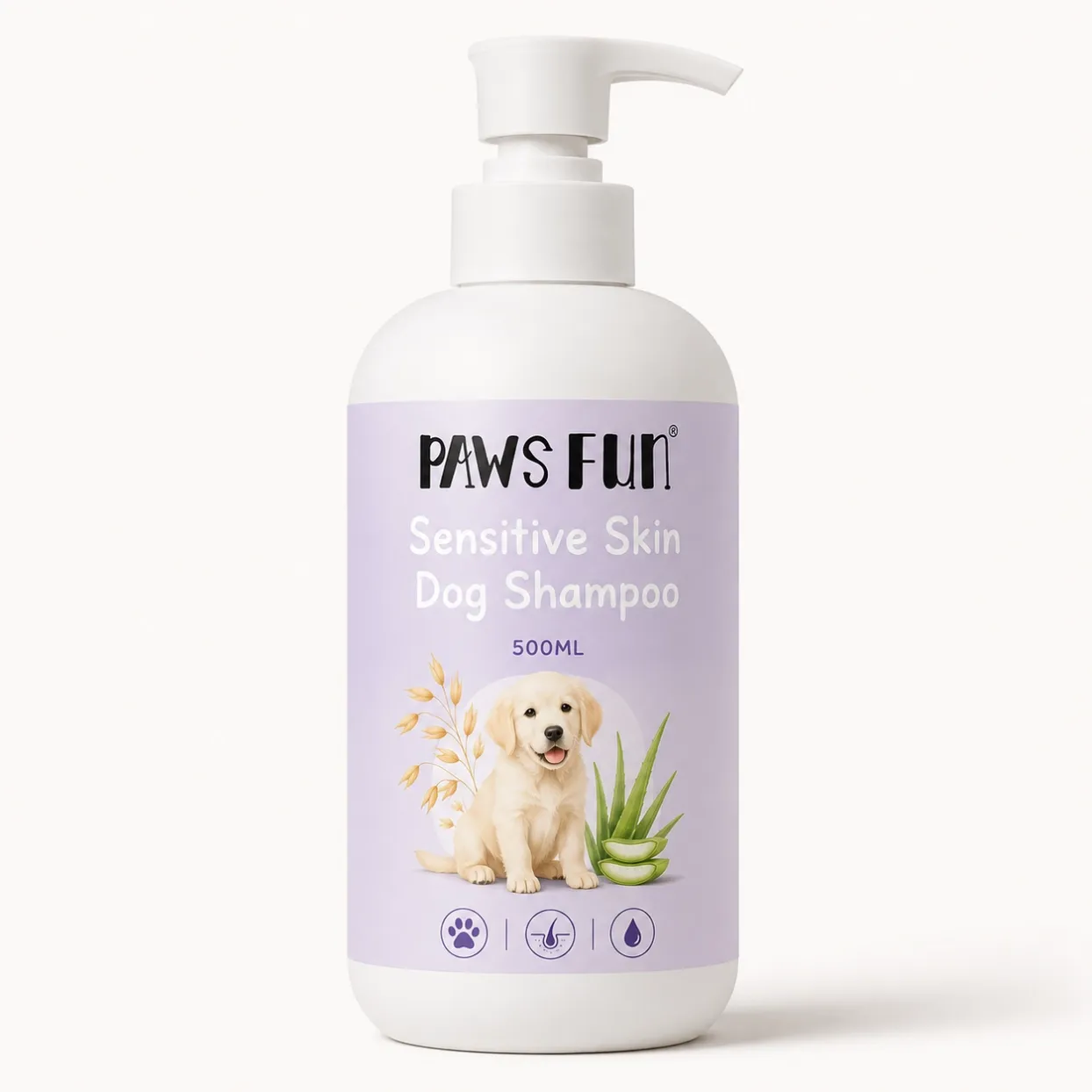
Review Sensitive Skin Dog Shampoo 500ml and Intensive Repair Pet Conditioner 500ml when discussing a coordinated wash-and-condition system. Their current specifications remain unchanged.
Define What “Approved” Means
Final approval should identify:
- Approved formula and fragrance references.
- Confirmed fill size and packaging components.
- Approved artwork version.
- Agreed sample or retained reference.
- Intended destination market and product identity.
- Checks required before production release.
- Whether any component substitution is allowed.
An approval photograph can support the record, but it should not replace written references. Color can also look different across screens and lighting conditions.
Control Late Changes
A late artwork, component or fragrance change can affect production timing. When a change is requested after final approval, record the reason, affected specifications, additional sample or test requirements and the revised approval date.
Do not assume that a late change can be inserted without affecting material availability, line booking or delivery planning.
FAQ
How many sample rounds are included in an OEM project?
The number, cost and timing depend on the project scope and requested changes. Confirm commercial terms for the actual project.
Can we approve formula and packaging separately?
They can be evaluated in stages, but final production approval should identify the complete formula-and-package combination.
Is a messaging-app “OK” enough for approval?
Use a controlled approval record that identifies the exact version. A short message without the sample code or artwork version can create ambiguity.
Can the factory substitute a bottle if supply changes?
Set the substitution policy in writing. A proposed alternative should be reviewed against the approved product and any relevant compatibility or transport checks.
Build a Controlled Sampling Process
Start Your OEM/ODM Project with your product category, market, target channel, formula brief, packaging references and estimated quantity. Learn about PAWS FUN, the OEM/ODM process and common questions in the FAQ.
For branded supply, Become Our Distributor.
Email pawsfuntd@gmail.com or use WhatsApp +86 185 8884 5736.