Pet Care OEM Stock Formula vs Semi-Custom: Compare Samples Before You Commit
Compare existing and semi-custom pet-care formulas. Build a sample scorecard for fragrance, coat feel, packaging and claims with PAWS FUN's own factory.
Quick Answer
Start with an existing formula when it already fits your intended use and brand requirements. Choose a semi-custom route when a defined change can improve that fit and the manufacturer confirms feasibility. Changing fragrance, texture or an ingredient can create additional evaluation work; “semi-custom” does not mean the original evidence automatically covers every revised product.
Start Your OEM/ODM Project with your product category, market and the one or two changes that matter most.
Compare the Decision, Not the Marketing Label
Different suppliers use “stock,” “private label” and “semi-custom” differently. Ask each factory to describe the actual work included. A stock-formula offer may still require new labels and packaging checks. A semi-custom offer may mean only a fragrance change, not a completely new performance profile.
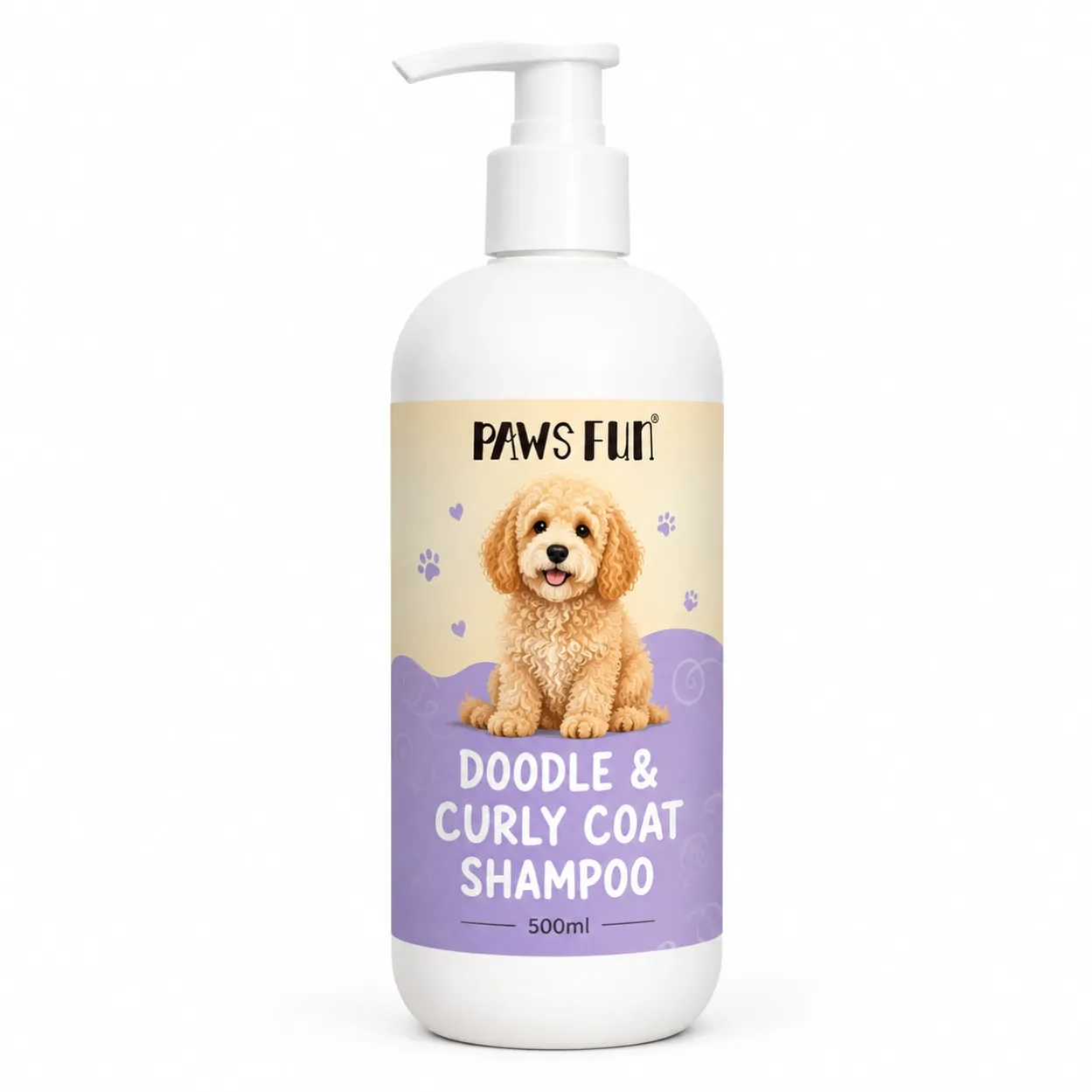
PAWS FUN owns its pet-care cosmetics factory and supports direct coordination across R&D, sampling, production and quality requirements. Use the Doodle & Curly Coat Shampoo 500ml and Intensive Repair Pet Conditioner 500ml as portfolio references, not as confirmation that every requested variant already exists.
Build a Simple Pathway Comparison
| Question | Existing formula | Semi-custom formula |
|---|---|---|
| What is changing? | Usually brand presentation and agreed pack details | Specified formula attributes plus any pack changes |
| What should be sampled? | Chosen formula in the proposed package | Clearly coded revised formula in the proposed package |
| What evidence applies? | Ask for evidence relevant to this exact product | Confirm which evidence must be reviewed or generated again |
| What drives cost? | Quantity, components, decoration and project services | Those items plus the agreed development and validation scope |
| What is approved? | One complete specification | One complete revised specification |
These are planning distinctions, not fixed commercial promises. Obtain the actual scope, costs and timing in writing.
Change Fewer Variables in Each Round
Suppose a brand wants lighter fragrance and easier rinsing in a conditioner. If bottle, fragrance, viscosity and instructions all change between samples, a buyer may struggle to identify why the experience improved or declined.
Where practical, keep a baseline sample and compare a controlled revision against it. Request a sample code and short change description. This makes feedback useful for the formulator and helps the buyer avoid approving different attributes from incompatible versions.
Use a scorecard that reflects the sales channel
For a salon brand, include application, rinsing, combability and dispensing during a normal grooming workflow. For a retail line, include label readability, opening the pack and clarity of instructions. Do not turn informal feedback into a claim that every animal will respond identically.
Identify requirements that are not negotiable
State the destination market, intended species, application type and proposed claims at the beginning. An ingredient exclusion should be explicit, not hidden in a mood board. If a particular certification is essential, request evidence and scope confirmation rather than relying on a logo shown in a brochure.
Approve the Final Combination
The production reference should identify formula code, fragrance, fill size, bottle, closure and artwork. If any component changes after approval, ask whether additional review is required. Keep Home Use and Salon Use instructions distinct where the projects require different application methods.
The product's intended use and claims also need their own review. The FDA's grooming-aid guidance is not a blanket approval for every animal-care formula or therapeutic statement. FDA guidance
FAQ
Is an existing formula necessarily lower quality?
No. Project fit depends on the finished product and evidence, not whether the formula was developed yesterday. Compare the sample against your requirements.
Is a fragrance change always a minor change?
Do not assume so. Ask the manufacturing team what formulation, packaging and label reviews are needed for the revised version.
Can I obtain an exact MOQ before choosing packaging?
An indicative range may be discussed, but the final quotation needs a defined specification and order structure. This article does not promise a universal minimum.
Send a Focused Development Enquiry
Start Your OEM/ODM Project. Tell us your intended product, market, channel, estimated quantity and priority changes. Learn more About PAWS FUN and our OEM/ODM process.
Prefer PAWS FUN branded supply? Become Our Distributor.
Contact pawsfuntd@gmail.com or WhatsApp +86 185 8884 5736.